
How Can Professional Portrait Photography Transform Your Professional Image and Personal Brand in Chicago?
The Critical Importance of High-Quality Professional Portraits in Today's Digital Landscape
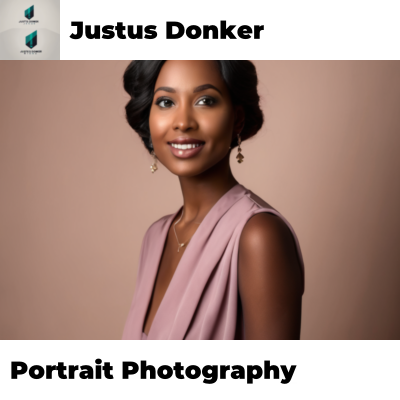
Professional portrait photography has evolved dramatically over the past decade. It's no longer simply about sitting in front of a camera and smiling. The modern professional portrait serves as a multifaceted tool—one that communicates competence, trustworthiness, and approachability simultaneously. When someone encounters your image online, whether on LinkedIn, your company website, or professional networking platforms, that photograph makes an instantaneous impression. Within milliseconds, viewers form judgments about your credibility and professionalism. This isn't superficial; it's psychological reality grounded in extensive research about human perception and decision-making.
Consider the distinction between a blurry selfie taken in artificial lighting versus a professionally crafted portrait. The difference extends far beyond technical quality. A professional portrait demonstrates that you've invested time and resources into presenting yourself intentionally. This communicates respect—both for yourself and for those who'll encounter your image. The lighting has been carefully considered to flatter your features and create dimension. The background has been selected to complement rather than distract. Your posture, expression, and positioning have been thoughtfully directed by someone with extensive experience in capturing people at their best.
Understanding the Psychology Behind Professional Photography
The human brain processes visual information with remarkable speed and depth. When viewing a portrait, observers subconsciously evaluate multiple elements simultaneously:
- Facial expression and its authenticity: Genuine warmth in the eyes versus a forced smile creates dramatically different impressions
- Body language and positioning: Whether someone appears confident, approachable, or defensive significantly influences how others perceive their professional capabilities
- Lighting quality and its technical execution: Proper lighting eliminates unflattering shadows, reveals skin texture appropriately, and creates dimension that makes subjects appear more dynamic
- Background context and relevance: Strategic background choices reinforce professional identity without overwhelming the subject
- Color palette and clothing coordination: Intentional wardrobe choices that harmonize with skin tone and professional context enhance overall impact
These elements work together creating what researchers call "thin-slice judgments"—rapid assessments based on limited visual information. While these judgments can sometimes be inaccurate, they happen regardless. Professional portrait photography acknowledges this reality and leverages it strategically. Rather than fighting against how humans naturally perceive visual information, skilled photographers work within these parameters to present their subjects authentically and favorably.
Specific Applications of Professional Portraits Across Diverse Professional Contexts
Corporate and Executive Positioning
Corporate environments demand particular attention to professional presentation. Executive portraits serve functions that extend well beyond mere identification. They appear in annual reports, on company websites, in press releases, and during shareholder meetings. An executive portrait must communicate leadership capability while remaining approachable. This requires sophisticated understanding of lighting techniques, posing methodology, and psychological impact. The difference between a portrait that conveys confidence and one that appears cold or unapproachable lies in subtle technical choices that experienced photographers understand intuitively.
Consider the practical applications within corporate settings:
- Website leadership pages where stakeholders evaluate company trust
- LinkedIn profiles that influence business development and networking outcomes
- Press materials accompanying announcements and company initiatives
- Internal communications where employee recognition relies on visual representation
- Conference materials used at industry events and professional gatherings
- Media kits distributed to journalists and industry publications
Each context demands slightly different approaches to posing, styling, and lighting. A corporate headshot for a law firm differs fundamentally from a corporate headshot for a creative agency. The corporate environment at a financial institution carries different aesthetic expectations than a tech startup. Professional photographers understand these contextual nuances intimately.
Personal Branding and Entrepreneurial Applications
Entrepreneurs and small business owners operate in a different landscape entirely. These professionals often serve as the face of their businesses. Clients, customers, and partners connect with the individual, not an institutional entity. This reality makes personal branding through professional portraiture exponentially more important for entrepreneurs than for corporate employees. An entrepreneur's portrait appears on their personal website, in email signatures, on social media profiles, across business cards and marketing materials, and in all customer-facing communications.
The personal brand portrait must accomplish multiple objectives simultaneously:
- Establish immediate credibility and expertise
- Create emotional connection with potential customers
- Differentiate from competitors through distinctive visual identity
- Communicate personality and approachability while maintaining professionalism
- Remain timeless enough to function across an extended period without constant updates
An entrepreneur's portrait shapes how thousands of potential customers form their initial impressions. This investment in professional photography pays dividends through increased customer confidence and conversion rates. The psychological research is clear: people prefer doing business with individuals they perceive positively. Professional portraiture directly influences that perception.
Creative Industry and Entertainment Professionals
Artists, actors, musicians, and creative professionals operate under still different portrait requirements. These professionals often need multiple portrait variations serving distinct purposes. A headshot for theatrical auditions requires different styling and positioning than a portrait for a music promotion campaign or a professional artist website. Creative professionals sometimes need dramatic, artistic portraits that showcase personality alongside technically excellent corporate-style headshots for professional contexts.
The variety of applications for creative professionals includes:
- Theatrical audition headshots compliant with specific industry standards
- Promotional portraits for music and entertainment platforms
- Artistic portfolio images showcasing creative identity
- Professional website imagery for educational and speaking engagements
- Social media content that maintains consistent visual branding
- Press kit photography for media coverage and interviews
Creative professionals understand that their image communicates artistic sensibility and professional seriousness simultaneously. The technical execution of a portrait—lighting choices, composition, color grading—should reflect the creative level they bring to their actual work.
The Technical Mastery Behind Truly Exceptional Portrait Photography
Advanced Lighting Techniques and Their Practical Impact
Photography fundamentally involves manipulating light. Portrait photography specifically requires sophisticated understanding of how light shapes facial features, creates dimension, and influences emotional response. Beginners often underestimate lighting's importance. They assume that expensive cameras guarantee excellent results. In reality, a mediocre photographer with expensive equipment produces mediocre results. Meanwhile, an experienced photographer with modest equipment often produces superior work because they deeply understand lighting principles.
Professional portrait photographers employ various lighting configurations:
- Rembrandt lighting: Creates dimension through selective shadowing, named after the painter's approach to light
- Butterfly lighting: Produces a small shadow under the nose, flattering most face shapes particularly for beauty and fashion contexts
- Loop lighting: Subtle variation of Rembrandt creating dimension while remaining flattering for corporate contexts
- Split lighting: Divides the face into light and shadow, useful for dramatic effect or character emphasis
- Broad lighting: Emphasizes the wider side of the face, useful for narrowing broad faces
- Short lighting: Emphasizes the narrower side of the face, useful for widening narrow faces
These techniques aren't arbitrary choices. They're strategic decisions made based on analyzing individual facial structure, discussing the portrait's purpose, and understanding how the subject wants to be perceived. A skilled photographer doesn't apply the same lighting to every subject. They customize the technical approach to serve each person's unique features and professional objectives.
Color Theory and Its Psychological Implications
Color selection in portrait photography influences emotional response and professional perception far more than most people realize. The colors appearing in the portrait—including wardrobe choices, background colors, and even skin tone rendering—create psychological associations. Warm colors typically convey approachability and energy. Cool colors suggest stability and trustworthiness. These associations aren't universal or absolute, but they carry enough psychological weight to influence perception measurably.
Professional photographers consider color relationships during planning phases:
- Complementary color schemes that make subjects pop visually
- Analogous color combinations creating harmony and unity
- Color temperature consistency ensuring lighting color temperature aligns with wardrobe and background
- Skin tone rendering using color grading to flatter individual complexions
- Cultural and contextual color meaning understanding that colors carry different associations across professional industries
The seemingly simple choice of background color involves sophisticated color theory. A background that would beautifully complement a blonde person with cool undertones might clash terribly with someone of different coloring. Professional photographers don't choose backgrounds randomly or apply the same background to every client. They make deliberate choices based on understanding color harmony and individual features.
Posing Methodology and Its Effect on Professional Presence
Posing occupies a peculiar space in portrait photography. Some photographers claim they prefer candid, unposed portraits suggesting authenticity. Others embrace obviously posed portraits acknowledging that posing, when executed skillfully, allows subjects to present themselves intentionally. The reality is nuanced. Even supposedly candid photography involves subtle direction. The question isn't whether to pose subjects, but rather how to pose them in ways that feel natural while communicating intended messages.
Strategic posing accomplishes several objectives:
- Creates dimension by angling the body and shoulders rather than facing the
camera directly
- Elongates the neck through subtle positioning that prevents the appearance of a shortened neck
- Defines jawline by strategic head tilting and chin positioning
- Projects confidence through posture that communicates professional competence
- Creates visual interest by avoiding rigid, frontal positioning that appears static
- Accommodates individual insecurities allowing photographers to minimize features subjects feel self-conscious about
Posing involves understanding anatomy, proportion, and how the camera interprets three-dimensional objects as two-dimensional images. What appears correct in person sometimes looks awkward in photographs. Experienced photographers navigate this constantly, making minute adjustments that seem insignificant but profoundly affect the final image.
The Distinctive Advantages of Choosing Local Professional Photography Services
Understanding the Local Market Context and Professional Community
Selecting a portrait photographer near your location offers advantages that remote or national services cannot replicate. Local photographers possess intimate knowledge of the specific professional landscape within your geographic area. They understand the visual standards and expectations within Chicago's corporate environment, its creative community, its entrepreneurial ecosystem, and its various professional industries. This localized expertise translates into portraits that resonate authentically within your specific professional context.
Chicago's business landscape encompasses distinctive characteristics. The city hosts major corporate headquarters, thriving creative industries, substantial entrepreneurial activity, and diverse professional communities. A portrait photographer working within Chicago understands these distinctions deeply. They recognize how professional standards differ between downtown financial institutions and emerging tech companies in the West Loop. They understand the visual expectations in Chicago's legal community versus its advertising industry. This contextual knowledge ensures your portrait aligns with local professional norms while still standing out distinctively.
Building Ongoing Professional Relationships and Photography Evolution
Professional success rarely emerges from single interactions. Relationships develop over time through repeated positive experiences and demonstrated reliability. Selecting a local photographer creates opportunities for sustained professional relationships. As your career evolves and progresses, your portrait needs will change. Early-career professionals require different portrait approaches than established executives. Someone transitioning between careers might need updated portraits reflecting their new professional identity. Entrepreneurs growing their businesses eventually need updated photography as their brands mature.
A trusted local photographer becomes familiar with your professional journey over time. They understand your personal style, your professional context, and your evolving needs. They can provide nuanced guidance about when portrait updates serve your career advancement. They notice subtle details about your professional evolution and can suggest appropriate adjustments to your visual presentation. This ongoing relationship provides consistency and expertise that single transactions with distant photographers cannot offer.
Personalized Service and Direct Communication
Professional photography involves personal preferences, comfort levels, and specific requirements that resist standardization. Local photographers offer direct, personalized communication throughout the process. You can discuss your specific professional context, your career goals, your comfort level in front of the camera, and your particular concerns about photographic representation. This dialogue allows photographers to customize their approach to your individual needs.
Working locally enables practical logistics that streamline the photography process:
- Flexible scheduling accommodating your professional calendar without time zone complications
- Location scouting collaboration where you can discuss and potentially visit chosen locations before the session
- Wardrobe consultation conducted through direct conversation rather than email exchanges
- Hair and makeup coordination with immediate availability for discussion and adjustment
- Follow-up communication about retouching preferences, image selection, and final delivery without delayed email correspondence
- Future services easily arranged without geographic obstacles
The convenience of local services shouldn't be underestimated. Photography sessions often involve unexpected needs or minor adjustments. Being able to contact your photographer directly and resolve issues immediately creates a superior experience compared to navigating customer service channels with distant businesses.
Understanding Wardrobe, Styling, and Preparation Strategies for Portrait Success
Deliberate Wardrobe Selection and Color Coordination
The clothing worn during portrait sessions profoundly influences the final image's impact. Yet many people approach wardrobe selection haphazardly, giving it minimal thought before arriving at the photography session. Professional photographers understand that wardrobe involves strategic decision-making informed by color theory, professional context, and individual features. This isn't about wearing expensive clothing necessarily. It's about selecting clothing intentionally to complement skin tone, communicate professional identity, and photograph well under the lighting conditions present in the studio or location.
Successful portrait wardrobe strategies include:
- Considering skin tone undertones when selecting colors that flatter individual complexions
- Choosing solid colors or subtle patterns that don't distract from facial features and expression
- Avoiding busy patterns or busy graphics that compete for visual attention
- Selecting clothing appropriate to professional context without appearing costume-like or inauthentic
- Ensuring proper fit so clothing flatters rather than creates unflattering silhouettes
- Considering how necklines frame the face since they significantly influence perceived approachability
- Coordinating multiple outfit options providing variety across the portrait session
Different professional contexts demand different wardrobe approaches. An executive portrait might feature a tailored blazer and coordinated shirt. An entrepreneur's portrait might showcase more personality through distinctive but professional clothing. A creative professional's portrait might feature more expressive styling reflecting their industry's cultural norms. The key involves intentional selection informed by understanding how wardrobe communicates professional identity.
Hair, Makeup, and Grooming Considerations
Professional portrait sessions benefit enormously from deliberate attention to hair and makeup. This doesn't necessarily mean hiring professional hair and makeup services, though many subjects do. It means approaching hair and makeup with intentionality rather than showing up with whatever one wore that morning. Hair should be clean, styled in a way that suits your features, and positioned to frame your face flatteringly. Makeup—for all genders—should enhance natural features rather than appear heavy or overdone in photographs.
Hair and makeup priorities for portrait sessions:
- Clean hair that photographs well without appearing greasy or flat
- Strategic styling that frames the face and suits facial structure
- Subtle makeup enhancement that looks natural in photographs while defining features appropriately
- Skin preparation ensuring skin appears smooth and healthy without appearing artificially filtered
- Lip color selection that complements skin tone and photographs well
- Eye makeup that defines eyes appropriately without appearing overdone
- Consistency across multiple outfits if changing clothing during the session
Professional photographers often provide guidance about hair and makeup approaches. They understand how photography lighting interacts with different makeup applications. They recognize that makeup appearing natural in person sometimes disappears in photographs, while makeup that seems subtle in the mirror might photograph more noticeably. This technical knowledge helps subjects make informed decisions about grooming and styling before sessions begin.
Mental Preparation and Confidence Building Before Sessions
Beyond physical preparation, mental preparation significantly influences portrait session success. Many people experience anxiety or discomfort in front of cameras. This is entirely normal and understandable. Professional photographers work with these feelings regularly and employ strategies to help subjects feel comfortable and confident. Understanding what to expect during sessions and mentally preparing for the experience reduces anxiety and enables more genuine, relaxed expressions.
Effective pre-session mental preparation involves:
- Discussing any camera anxiety with your photographer so they can address concerns
- Understanding the session format and general timeline so nothing feels surprising
- Reviewing sample portraits to clarify what the photographer can deliver
- Clarifying communication about posing so you understand direction clearly
- Establishing comfort boundaries regarding personal space and positioning
- Planning what to bring avoiding last-minute scrambling
- Getting adequate sleep before sessions to appear fresh and vibrant
The confidence you project in photographs directly reflects your comfort level during the session. Photographers skilled at subject direction help people relax genuinely. They explain posing clearly, demonstrate when helpful, and provide positive feedback that builds confidence as the session progresses. By session's end, many subjects who arrived nervous discover they actually enjoyed the experience and feel proud of the resulting portraits.
The Comprehensive Process From Initial Consultation Through Final Delivery
Pre-Session Consultation and Strategic Planning
Professional portrait photography begins long before the camera starts clicking. The process starts with thorough consultation where photographers understand your specific needs, professional context, and personal preferences. During consultation, effective photographers ask detailed questions exploring your professional objectives, the primary uses for your portraits, your comfort level in front of cameras, any specific concerns about photographic representation, and your vision for how you want to be perceived.
Key consultation discussion points include:
- Primary portrait use cases determining session approach and technical requirements
- Professional context and industry norms informing styling and background decisions
- Timeline and deadline needs shaping scheduling and post-production timelines
- Budget parameters and package options ensuring alignment before sessions begin
- Previous portrait experience identifying any concerns or preferences from past sessions
- Specific aesthetic preferences regarding style, tone, and visual approach
- Technical requirements such as image formats needed for various platforms
This consultation phase isn't simply a sales conversation. It's a planning session ensuring both photographer and subject understand expectations and objectives